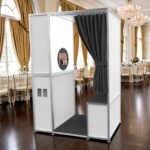
If you’re wondering how to start a photo booth business, you’re asking the right question at the right time — this industry remains one of the lowest-barrier, highest-margin small business opportunities available, and our Ultimate Guide to Professional Photo Booths breaks down exactly why. This guide is the practical companion: the concrete steps to go from “I’m curious” to your first paid event.
You don’t need a photography background, a warehouse, or tens of thousands of dollars to start. Here’s exactly what you do need.
Is a Photo Booth Business Right for You?
Before investing a dollar, it’s worth being honest about fit. This business tends to work well for people who check most of these boxes:
- You want flexible, event-based income rather than a fixed weekly schedule, most bookings happen evenings and weekends.
- You’re comfortable being the face of your brand at events, at least until you can afford to hire attendants.
- You can front $2,000–$5,000 in starter equipment without financing your rent or savings.
- You’re willing to treat it like a real business contracts, insurance, and marketing, not just a fun side hustle.
If that sounds like you, the rest of this guide walks through exactly how to get moving.
Step 1: Choose Your Booth Type
Your booth type determines your target market, your startup cost, and your pricing ceiling, so this is the first real decision to make, not an afterthought.
- iPad booth: The lowest-cost, fastest entry point — ideal if you’re starting solo with a limited budget. See our iPad Photo Booth Business Guide for full setup details.
- DSLR booth: Higher image quality and pricing power, better suited to operators comfortable with more technical equipment. Our DSLR Photo Booth Setup Guide covers cameras, lenses, and tethering.
- Mirror booth: The highest average order value for weddings and luxury events — see our Mirror Photo Booth Buying Guide.
- 360 booth: The highest income ceiling with the least local competition, best suited to operators targeting corporate clients — details in our 360 Photo Booth Machine Guide.
Most successful operators start with one booth type, prove out demand in their local market, and add a second unit only once the first is consistently booked.
Step 2: Calculate Your Startup Costs
Photo booth startup cost varies significantly by booth type, but here’s a realistic range across the market:
| Booth Type | Typical Startup Cost | Break-Even Bookings |
|---|---|---|
| iPad Booth | $2,200–$4,000 | 4–6 events |
| DSLR Booth | $4,000–$8,000 | 5–8 events |
| Mirror Booth | $4,500–$12,000 | 4–6 events |
| 360 Booth | $6,000–$15,000 | 3–4 events |
Beyond the booth itself, budget for a business license, liability insurance, a booking/contract system, and basic marketing materials typically another $500–$1,000 in year one.
Step 3: Handle the Legal & Business Basics
Skipping this step is the single most common regret among new operators once their first booking goes wrong.
- Form an LLC – Separates your personal assets from business liability, a straightforward, inexpensive step in most states.
- Get general liability insurance – Most venues now require proof of insurance before allowing any vendor on-site, this isn’t optional for corporate or venue bookings.
- Use a written contract for every event – Covers cancellation terms, payment schedule, and liability never rely on a verbal agreement, regardless of how well you know the client.
- Open a separate business bank account – Makes taxes dramatically simpler and reinforces the LLC’s liability protection.
💡 Don’t Skip This
A written contract and liability insurance cost far less than a single bad event without them. Most photo booth insurance runs $300–$600/year treat it as a fixed cost of doing business, not an optional upgrade.
Step 4: Set Your Pricing
New operators consistently underprice their first few events out of fear of losing the booking. Resist that instinct — the market rate exists for a reason, and undercutting it signals lower quality rather than better value.
- Research your local market by requesting quotes from three to five competitors before setting your own rates.
- Price for your actual time, not just the event hours include setup, breakdown, and travel in your hourly math.
- Build in a first-client discount deliberately, if you choose to offer one, rather than simply pricing too low across the board.
Step 5: Book Your First Clients
Your first few bookings matter more than their profit margin, they’re what build your portfolio and your first reviews.
- Offer a discounted rate to friends or family hosting a real event, in exchange for professional photos and a written testimonial.
- Reach out to local venues and planners directly with your rates and portfolio, rather than waiting for inbound inquiries.
- List your business on wedding and event marketplaces where couples and planners are already searching for vendors.
- Ask every satisfied client for a review immediately after the event, while the experience is still fresh.
Building a Real Photo Booth Rental Business Long-Term
A single booth run part-time is a side income. A real photo booth rental business is built by reinvesting early profit into a second unit, hiring an attendant to run overlapping bookings, and deliberately pursuing the higher-margin corporate and brand-activation clients the pillar guide covers in detail.
Most operators who reach six-figure annual revenue didn’t get there by working more events personally — they got there by adding units and delegating the on-site work.